Table of contents
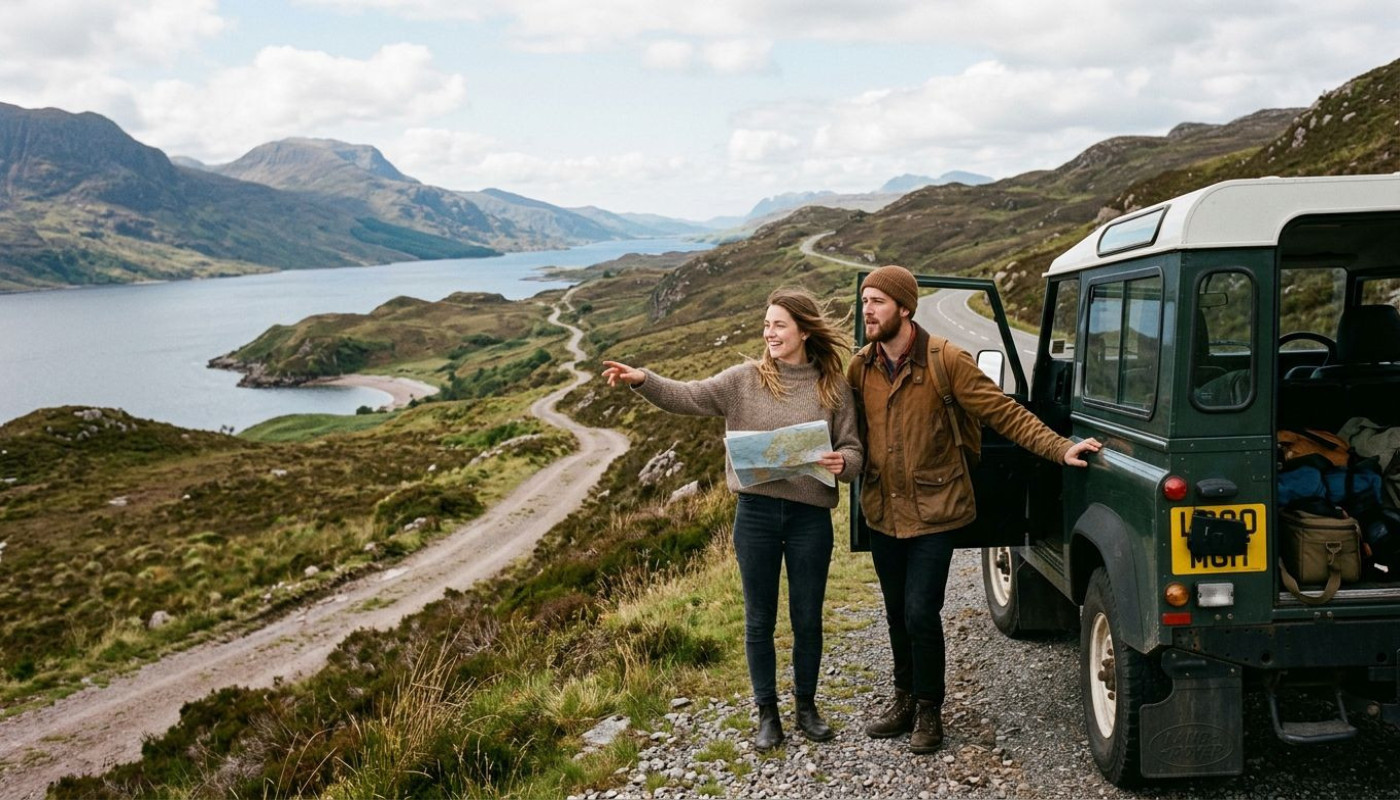
Miss a turn on a “classic” itinerary and you may stumble into the trip’s best story, because rerouting is no longer the exception, it is increasingly the norm. From overcrowded landmarks and heatwaves to rail strikes and sudden closures, travelers across Europe are being pushed off the postcard path and onto detours that feel less curated, more revealing. The scenic route still sells, yet the real surprise in 2026 is how often it is engineered by disruption, and how quickly visitors adapt, swapping rigid schedules for flexible, local-led alternatives.
Overcrowding turns “must-sees” into maybes
What happens when the highlight becomes the hassle? Across Europe, pressure on iconic corridors has made the traditional “do it all” itinerary harder to sustain, and not only because of ticket lines. Cities that built their visitor economies around a handful of magnets are now managing crowd control more actively, while travelers, armed with real-time data and a lower tolerance for friction, are voting with their feet, and that vote often sends them elsewhere.
In 2024, Europe welcomed record levels of international tourism, with the region remaining the world’s top destination according to UN Tourism, and the resulting concentration effect was visible in the usual places: historic centers, narrow streets, single-viewpoint lookouts. Venice’s day-tripper fee, the Netherlands’ campaigns to curb nuisance tourism, and the growing use of timed-entry systems in major museums all point in the same direction: the “classic route” is being redesigned under load. Even when caps are not formally imposed, the practical experience of crowding changes behavior, because visitors increasingly prioritize “time well spent” over ticking boxes, and a supposedly essential stop can start to look optional when it costs half a day.
This is where rerouting becomes a feature rather than a failure. Detours used to mean improvisation; now they are often planned, shared and optimized. Travelers compare footfall peaks, track reservation windows and switch neighborhoods to keep days workable, and the most resilient itineraries are those with built-in alternatives, such as a second-choice museum, a quieter riverfront, or a smaller city within day-trip distance. In Central Europe, that logic is particularly strong, because distances are short, rail links are dense, and a “Plan B” can still feel like the trip you intended, just with fewer elbows in the frame.
Climate and closures rewrite the calendar
The weather is now an editor-in-chief. Heat, storms and wildfire risk are no longer rare inconveniences, they are travel variables that can decide which hours you walk, which hills you climb and which months you dare to book, and that shift is steadily pushing classic sightseeing patterns into new shapes.
Europe has warmed at roughly twice the global average, and the continent has repeatedly registered its hottest years on record, according to the Copernicus Climate Change Service. That macro trend shows up in micro decisions: midday walking tours become punishing during heatwaves, certain panoramic routes lose appeal when the sun turns them into open-air furnaces, and last-minute advisories can shut down trails or restrict access to forested areas. At the same time, intense rainfall events are becoming more frequent in several regions, disrupting transport and triggering localized flooding, which can close underpasses, river paths and even major stations for hours, then ripple through a tight itinerary for days.
Rerouting, in this context, is often about time rather than distance. Visitors shift outdoor-heavy days to mornings and evenings, swap exposed viewpoints for shaded galleries, and rebuild trips around indoor anchors that can absorb a weather shock. The practical winners are cities with layered options, where a detour still delivers narrative and atmosphere, and where local operators can pivot quickly. That is one reason why scavenger hunts and self-guided city games have found a wider audience, because they can be paused, rerun in a different order, or moved into calmer streets without losing the thread, and travelers keep control even when the forecast does not cooperate. In Bratislava, for example, flexible formats like https://www.bratislava-escape.com/ fit that new reality, letting visitors keep the day’s momentum while choosing a cooler route, a quieter district, or a later start when temperatures peak.
Local detours deliver the best storytelling
Detours are not just logistics, they are narrative. When a trip veers off the classic script, travelers often encounter the city as it functions, not as it performs, and that tends to produce the kind of detail people actually remember: an unexpected courtyard, a bakery with a lunchtime queue of locals, a viewpoint without a selfie line.
This is not romantic theory, it is what behavioral data has been suggesting for years. Reviews, social posts and booking patterns show a consistent appetite for “hidden” or “lesser-known” experiences, and while that phrase can be marketing fluff, the underlying driver is clear: visitors want a sense of discovery, yet they also want structure and reliability. The paradox is that the more tourists chase the same “secret” spots, the faster they stop being secret, and the cycle repeats. Rerouting breaks that loop, because it encourages multi-option exploration rather than a single over-promoted address, and it rewards the ability to read a city block by block.
Local-led experiences thrive in that space, especially when they are designed around decision points rather than fixed marching orders. A self-guided route that nudges you to solve clues, notice architectural details and cross into neighborhoods you might otherwise skip, can turn a “we have two spare hours” moment into the highlight of the day. It also changes the texture of travel in compact capitals, where the old-town circuit is famous but finite. The surprise often comes from stepping a few streets beyond the core, where the city’s contemporary life is more visible, prices are calmer and interactions feel less transactional. In practice, rerouting is rarely about abandoning the classics entirely; it is about reducing dependency on them, so that one packed square or one closed castle does not collapse the whole day.
Smarter planning tools make rerouting painless
Flexibility is now a skill, and it is being automated. The modern itinerary is less a rigid checklist and more a set of modular blocks, built to be rearranged when a train is delayed, a museum sells out, or a thunderstorm rolls in, and the tools available to travelers have caught up to that mindset.
Mapping apps have shifted from simple navigation to live situational awareness, with real-time transit disruptions, foot-traffic hints in some areas and dynamic rerouting that saves time without demanding local knowledge. Reservation systems are also more common, which can feel restrictive, yet they force a clarity that helps planning: you know what is locked in, you know what is flexible, and you can route the day around those anchors. Airlines and rail operators increasingly push delay alerts early, while city authorities communicate closures faster through official channels, and all of that compresses decision time, allowing travelers to adjust before a problem becomes a lost afternoon.
But the most useful planning shift is conceptual. Experienced travelers now build “if-then” itineraries: if the historic center is saturated, then pivot to a riverside district; if the heat is extreme, then go underground, indoors, or to shaded parks; if transit is unstable, then cluster sights within walking radius and save day trips for another day. This is where curated, city-specific formats can complement generic apps, because they translate a place into an experience that still works when conditions change. A route that is enjoyable in multiple orders, with checkpoints that can be skipped or substituted, reduces the stress of constant optimization. Rerouting becomes painless, not because nothing goes wrong, but because the plan expects reality, and turns “surprises” into part of the design rather than evidence of failure.
How to book without overpaying
Reserve early for timed-entry sites, then keep one flexible block daily, and treat it as your detour budget. Compare transport passes versus pay-as-you-go, especially for short stays. For savings, check city cards and seasonal discounts, and look up national or municipal cultural subsidies that may apply to students, families and seniors.
On the same subject
Can Local Festivals Redefine Your Itinerary?

What No One Tells You About Choosing Your Next Travel Destination

How Spontaneous Detours Reshape Your Travel Itinerary

The Psychology Behind Choosing Your Perfect Vacation Spot

Why Locals Escape To Lesser-known Destinations For A Weekend Reset

The Rise Of Exclusive Clubs In Urban Settings: Amenities And Cultural Impact
